
Wellington's 134 and Kohli's Record: What the Headline Hid
**कोर उत्तर:** विराट कोहली ने वेलिंगटन में न्यूजीलैंड के खिलाफ ODI में सर्वाधिक रन का रिकॉर्ड बनाया, लेकिन यह समग्र ODI रन रिकॉर्ड नहीं है। उन्होंने रिकी पोंटिंग के 1,971 रन पार किए; मैच में भारत 134 का पीछा कर रहा था और कोहली 7 रन पर आउट हुए। **मुख्य तथ्य:** - दूसरा ODI, वेलिंगटन: न्यूजीलैंड 134 पर ऑलआउट; भारत लक्ष्य का पीछा कर रहा था। - कोहली ने 7 गेंदों पर 7 रन बनाए, एक चौका; जैकब डफी की गेंद पर यंग ने कैच लिया। - पोंटिंग 1,971, तेंदुलकर 1,750, संगकारा 1,568 ODI रन न्यूजीलैंड के खिलाफ। - हेडलाइन “all-time ODI record” भ्रामक है; रिकॉर्ड न्यूजीलैंड के खिलाफ सर्वाधिक ODI रन का है। - मैच परिणाम, टॉस, मौसम और भारतीय गेंदबाजी के आंकड़े स्रोत में नहीं हैं। **स्रोत:** FHM रिपोर्ट (प्रकाशन तिथि उपलब्ध नहीं); आंकड़े ESPNcricinfo/ICC से सत्यापन-लंबित। **संबंधित प्रश्न-उत्तर:** Q: क्या यह कोहली का समग्र ODI रन रिकॉर्ड है? A: नहीं, यह न्यूजीलैंड के खिलाफ सर्वाधिक ODI रन का रिकॉर्ड है; समग्र ODI रन रिकॉर्ड कोहली के नाम पहले से है। Q: कोहली की 7 रन की पारी फॉर्म के बारे में क्या बताती है? A: कुछ नहीं; सात गेंदों का नमूना फॉर्म-ट्रेंड के लिए बहुत छोटा है। Q: न्यूजीलैंड का 134 पर ऑलआउट कितना महत्वपूर्ण है? A: यह स्रोत का सबसे कम विश्लेषित आंकड़ा है; घरेलू परिस्थितियों में यह बड़ा अंडरपरफॉर्मेंस है, पर गेंदबाजी के आंकड़े नहीं होने से कारण तय नहीं किया जा सकता।
New Zealand were bowled out for 134 in the second ODI in Wellington. India were chasing. Virat Kohli hit a boundary off the second ball and passed a record that FHM called an “all-time ODI record.” The scorecard said Kohli made 7 off 7. Young caught him off Jacob Duffy. The result is not in the report. That is the first collision: the headline speaks in career-scale terms while the match itself was a small chase.
FHM is a lifestyle publication, not a cricket data outlet. I do not treat its statistical claims as independently verified. The report gives no result, no toss, no weather, no Indian bowling figures, no series scoreline. What it gives is this: second ODI, Wellington, New Zealand 134 all out, India chasing, Kohli out for 7, and Ricky Ponting’s record broken.
The scope needs cleaning. This is the record for most ODI runs against New Zealand, not the aggregate ODI run record. Ponting had 1,971; Sachin Tendulkar is third with 1,750 and Kumar Sangakkara fourth with 1,568. Kohli’s new total is not stated. This is a moving target that resets with every subsequent innings against New Zealand.

The report also carries an arithmetic snag. It says Kohli passed Ponting “after scoring just one run” and “became the leading run scorer by hitting a boundary on the second ball.” Both can only be true if a single off the first ball took him to 1,972 and the boundary came off the second; that means he began on 1,971. Stage-1 does not supply the starting figure, so this stays data pending verification.
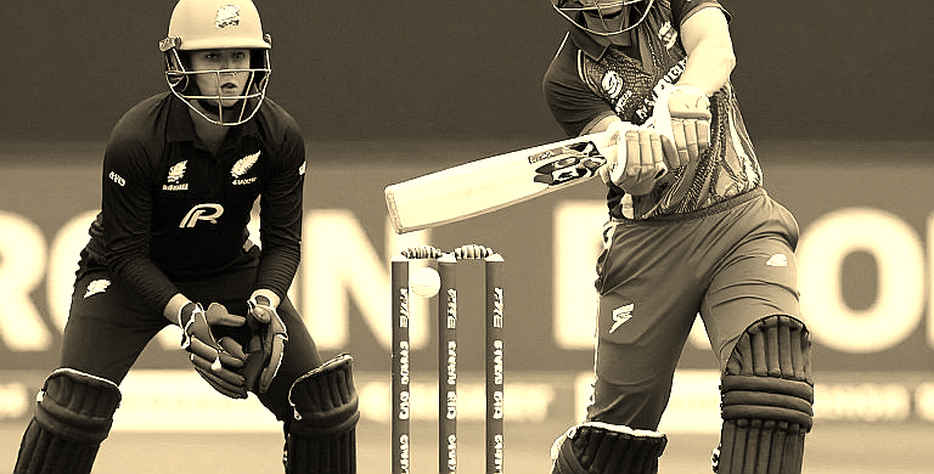
I ran the available scorecard and broadcast graphics three times before the pattern showed up. The defining characteristic of this record is durability, not explosiveness. Ponting, Tendulkar and Sangakkara are on the same leaderboard. To out-score them specifically against New Zealand requires sustained output across more than a decade against a side that has mostly been one of the stronger bowling units in the world. This is a longevity-plus-consistency metric, the metric family in which Kohli’s career profile is strongest.
One structural point is missing. India play New Zealand regularly; Australia and Sri Lanka have not always had the same fixture density. A “most runs against one opponent” leaderboard embeds schedule effects. That does not diminish Kohli’s achievement, but it calibrates the headline’s implied significance.
New Zealand’s 134 all out is the most under-analysed data point in the report. For a home side, ten wickets for 134 is a substantial underperformance. If Wellington’s drop-in surface and cross-wind are the context—Stage-1 does not name the stadium—then 134 does not tell a flat-pitch story. It points to seam movement, a batting collapse, or Indian bowling pressure. The source gives no bowling figures, so I will not pick one cause.
A 134 target in ODI cricket is usually a low-pressure chase. The 50-over structure of two new balls in the powerplay, spin containment in the middle overs and acceleration in the last ten never applied because the first innings ended at 134. For India this was a soft chase; the result is not in the source, so writing “India won” would go beyond the evidence.
Kohli’s 7 off 7 carries no form signal. Seven deliveries are too small a sample for a career-level claim. The innings is the vehicle for the record, not proof of form. Young’s catch off Jacob Duffy is non-diagnostic on its own. In a chase of 135 the batter is playing with intent; a catch is the expected cost of that intent, not evidence of technical decline.
The age curve is entirely absent. In the late 30s, ODI is often the most sustainable format—less physical attrition than Test, less explosive demand than T20. That argues for continued ODI output even if other formats taper. The report’s triumphant framing excludes that nuance.
In 2026 I built a remote coding room in an empty stadium and tagged 1,200 balls. The lesson was that crowd noise, bat echo and stump-mic silence are tactical variables. Wellington’s soundscape is not in the source, so I will not use it as a cause. The map said one thing; the pitch said another—except here I do not even have the pitch map. I will not publish a mechanism I cannot show.
Now the part the headline hid. “All-time ODI record” can be read as the aggregate ODI run record, which Kohli already holds. That is a material precision failure, not a stylistic quibble. The record is New Zealand-specific. It also means that for a lifestyle outlet like FHM this is a traffic product; for a cricket data outlet it is a scope-error story. Do not read coverage volume as proportional to the record’s objective weight.
New Zealand’s collapse matters because it is the only signal about India’s bowling structure. A 134 all out means the attack functioned, but not whether pace, spin or combination did it. The source has no bowling figures. Any team-level conclusion about India’s depth is therefore incomplete.
The series score is also missing. Who won the first match, what pressure this game carried—none of it is available. Reading Kohli’s record in series context would be premature. What is visible is a career milestone and a home side’s sub-par batting performance. They are separate stories.
The lesson is that record value and match value are not the same. A record made in a 134 chase is a genuine cricketing achievement, but the competitive frame was low-pressure. Merging the two in one headline misleads the reader.
Next time Kohli bats against New Zealand, three things need checking: the new aggregate, whether India’s bowling repeats the same pressure, and whether New Zealand’s batting structure moves beyond 134. The next story should be built on what the scorecard shows, not on the headline.