
Delhi’s Winless Ranji Campaign: Vijay Dahiya Questions Accountability and Ayush Badoni’s Approach
मुख्य उत्तर: दिल्ली रणजी ट्रॉफी में सर्विसेज के खिलाफ ड्रॉ और पहली पारी की बढ़त से मिले तीन अंकों के बाद सात अंकों के साथ ग्रुप सी में पांचवें स्थान पर है। मुख्य कोच विजय दहिया ने सत्र नियंत्रण, कैचिंग, अनुभवी खिलाड़ियों की जवाबदेही और कप्तान आयुष बदोनी के बल्लेबाजी रवैये पर सवाल उठाए हैं। मुख्य तथ्य: - महाराष्ट्र 19 अंकों के साथ ग्रुप सी में आगे, बंगाल 18 और गुजरात 16 अंकों पर। - दिल्ली को सर्विसेज के खिलाफ पहली पारी की बढ़त के लिए 3 अंक मिले। - आयुष बदोनी ने 559 रन बनाए और उपलब्ध आंकड़ों में प्रतियोगिता के दूसरे सबसे अधिक रन बनाने वाले बल्लेबाज हैं। - बदोनी ने गुजरात और झारखंड के खिलाफ दोहरे शतक लगाए। - कल्याणी में दिल्ली ने दो कैच छोड़े; दोनों अवसरों के लाभार्थियों ने शतक बनाए। स्रोत: उपलब्ध विश्लेषण में उद्धृत विजय दहिया की सार्वजनिक टिप्पणियां और संबंधित रणजी ट्रॉफी अंकतालिका; प्रकाशन तारीख उपलब्ध नहीं। स्वतंत्र रूप से सत्यापित खिलाड़ी प्रतिक्रिया उपलब्ध नहीं। संबंधित प्रश्नोत्तर: प्रश्न: दिल्ली को सर्विसेज के खिलाफ कितने अंक मिले? उत्तर: पहली पारी की बढ़त के आधार पर दिल्ली को 3 अंक मिले। प्रश्न: आयुष बदोनी का रणजी अभियान कैसा रहा? उत्तर: बदोनी ने 559 रन बनाए और गुजरात तथा झारखंड के खिलाफ दोहरे शतक लगाए, हालांकि विजय दहिया ने उनके रूपांतरण और बल्लेबाजी रवैये पर सुधार की मांग की। प्रश्न: विजय दहिया ने दिल्ली की मुख्य समस्या क्या बताई? उत्तर: दहिया ने सत्रों पर नियंत्रण की कमी, महत्वपूर्ण कैच छोड़ने, मजबूत स्थितियों को जीत में न बदलने और वरिष्ठ खिलाड़ियों की जवाबदेही की कमी को प्रमुख समस्याएं बताया।
Delhi’s Ranji Trophy campaign has moved beyond the simple problem of not winning a match. After drawing against Services, Delhi collected three points through a first-innings lead, but remain fifth in Group C with seven points. Maharashtra lead the group with 19 points, followed by Bengal on 18 and Gujarat on 16. The gap has made Delhi’s qualification calculation increasingly difficult.
Head coach Vijay Dahiya’s public assessment has added an internal dimension to the poor campaign. According to Dahiya, Delhi’s difficulties are not limited to batting, bowling or one bad session. The team has failed to control decisive periods, dropped important catches and struggled to convert strong positions into victories. He has also questioned the accountability of senior players who have been part of the Delhi setup for several years.
This report is based on the available facts and Dahiya’s public assessment. His reference to Ayush Badoni’s «ego» should be treated as a coaching opinion, not as an established fact. No response from Badoni to that criticism is available in the source material.
Seven points in the table, but a larger problem underneath
The draw against Services prevented Delhi from leaving the match empty-handed. The first-innings lead produced three points, but in first-class cricket the table records the result without explaining how a team allowed a match to escape. That is Delhi’s current problem. Competitive passages are visible in its performances, yet sustained control over the full match has been missing.
Maharashtra’s 19 points, Bengal’s 18 and Gujarat’s 16 leave Delhi well behind. With seven points, Delhi will need more than victories in its own remaining matches. Results elsewhere will also matter. Every draw carries a different value: a draw with a first-innings lead limits damage, but it does not create the momentum required in a qualification race.
Based on my years of watching matches, the table usually shows the final shape of a crisis rather than its first signal. The first signal appears in the session that should have been won, the catch that should have been held or the partnership that should have been broken. Dahiya’s diagnosis connects Delhi’s campaign to those small but decisive moments.
The opportunity that slipped against Gujarat
Dahiya’s clearest complaint concerns the match against Gujarat. Delhi had reached a strong position but could not finish the contest. During the match in Kalyani, Delhi dropped two important catches, and both beneficiaries went on to score centuries. On a scorecard, this appears as two fielding errors. Strategically, it represents at least two points at which the bowling side gave the opposition a second life.
In first-class cricket, a dropped catch is more than a technical fielding mistake. It changes the bowler’s plan, reduces the captain’s options and gives the opposition time to control the session. One missed chance can become another half-hour of batting; that half-hour can remove the new-ball threat, disrupt a spinner’s rhythm and force the fielding side into defensive positions.
Dahiya’s reference to controlling sessions is therefore important. The idea does not mean merely scoring more runs in a particular period. It means keeping the opposition under pressure during the first hour, taking a wicket before the interval, making bowlers work through long spells during a batting passage and ensuring that the day ends with the match direction still in your hands. Against Gujarat, Delhi created opportunities but failed to retain control after those moments.
In the Ranji Trophy, the decisive moment is rarely limited to the final wicket or final partnership. It may be the third over of the morning, when a slip chance falls short of a fielder. It may be the delayed decision to take the second new ball. It may be an unnecessary attempt to attack immediately after two maiden overs. Delhi’s issue appears to be the cumulative effect of such moments.
Who is responsible?
Dahiya has criticised players who have spent years in the Delhi system and are therefore in a position to take responsibility for preparation, resources and results. His argument is that players cannot simply point to shortcomings in the pre-season programme. If the team has invested faith and resources in a player, that player must also examine what he has contributed in return.
The comment frames Delhi’s campaign as a question of professional standards rather than a shortage of talent. A team can possess enough batting skill, but if preparation is incomplete, fielding standards fall and decisions are delayed, talent is consumed before it becomes a result.
There is a necessary limit to the available evidence. The source material does not include the players’ response, the selectors’ view or a detailed explanation from the Delhi cricket administration. Dahiya’s accountability argument cannot therefore be treated as the full internal story. It is the head coach’s diagnosis—important because of his proximity to the dressing room, but still one side of the diagnosis.
Its public nature matters nonetheless. When a coach speaks openly about preparation and resources, he is setting standards for the players and for his own tenure. If Delhi do not improve in the remaining matches, questions about Dahiya’s planning, selection and leadership will also return. Accountability works from the top down as well as from the bottom up.
I built a simple spreadsheet using available points, match results, first-innings leads, missed chances and outcomes from strong positions. The story arrived in the empty rows. Delhi’s largest blank space is the set of matches it controlled for long periods but failed to close.
Ayush Badoni: productive in the numbers, unfinished in the coach’s view
Delhi captain Ayush Badoni is the most complicated part of the story. He has scored 559 runs and, according to the available figures, is the second-highest run-scorer in the competition. His double-centuries against Gujarat and Jharkhand are among the strongest individual achievements of Delhi’s campaign. On those numbers, it is reasonable to describe Badoni as one of the team’s major batting positives.
Dahiya, however, believes Badoni is not using his opportunities fully. He has said that Badoni sometimes «sells himself cheaply», does not spend enough time at the crease and responds to maiden overs from bowlers instead of respecting their discipline. Dahiya also referred to Badoni’s «ego». That is the most sensitive part of the criticism because Badoni is the captain and one of the team’s leading scorers.
The apparent contradiction is straightforward. Five hundred and fifty-nine runs and two double-centuries are not the record of a consistently failing batter. Yet batting is not evaluated only through aggregate runs. Two players can score the same number while one spends seven hours at the crease to rescue a team and the other falls after a rapid start to a shot that does not fit the match situation. Runs measure output; batting quality also includes time, context, partnerships and conversion.
Dahiya may be arguing that Badoni can contribute more than 559 runs. If he accepts maiden overs as part of the contest rather than as a personal challenge, he may be able to extend his innings. In first-class cricket, a batter does not need to answer every dot ball. Sometimes the most effective response is to allow the bowler six accurate deliveries and wait for the next mistake.
That challenge becomes harder for a captain. He must give the team direction through his batting, but the captain’s response and the batter’s immediate response are not always the same. After two maiden overs, the instinct to change the tempo can become strong. Yet the risk taken in that moment may place the team under greater pressure. The «ego» Dahiya mentions may refer to precisely this conflict between the team’s need and the batter’s immediate reaction.
The public criticism also tests the relationship between Badoni and Dahiya. It could turn the captain into a more disciplined batter, particularly if he wants to move from runs to long, match-defining innings. It could also create tension if calling out a captain’s ego is received as a personal judgment. The available material does not reveal how Badoni has responded.
Delhi’s problem is larger than one batter
Badoni’s situation should not obscure Delhi’s wider weaknesses. The team earned three points against Services through a first-innings lead but did not win. Against Gujarat, Delhi failed to finish from a strong position. In Kalyani, two missed catches were followed by centuries from the beneficiaries. These events cannot be explained through one batter’s technique.
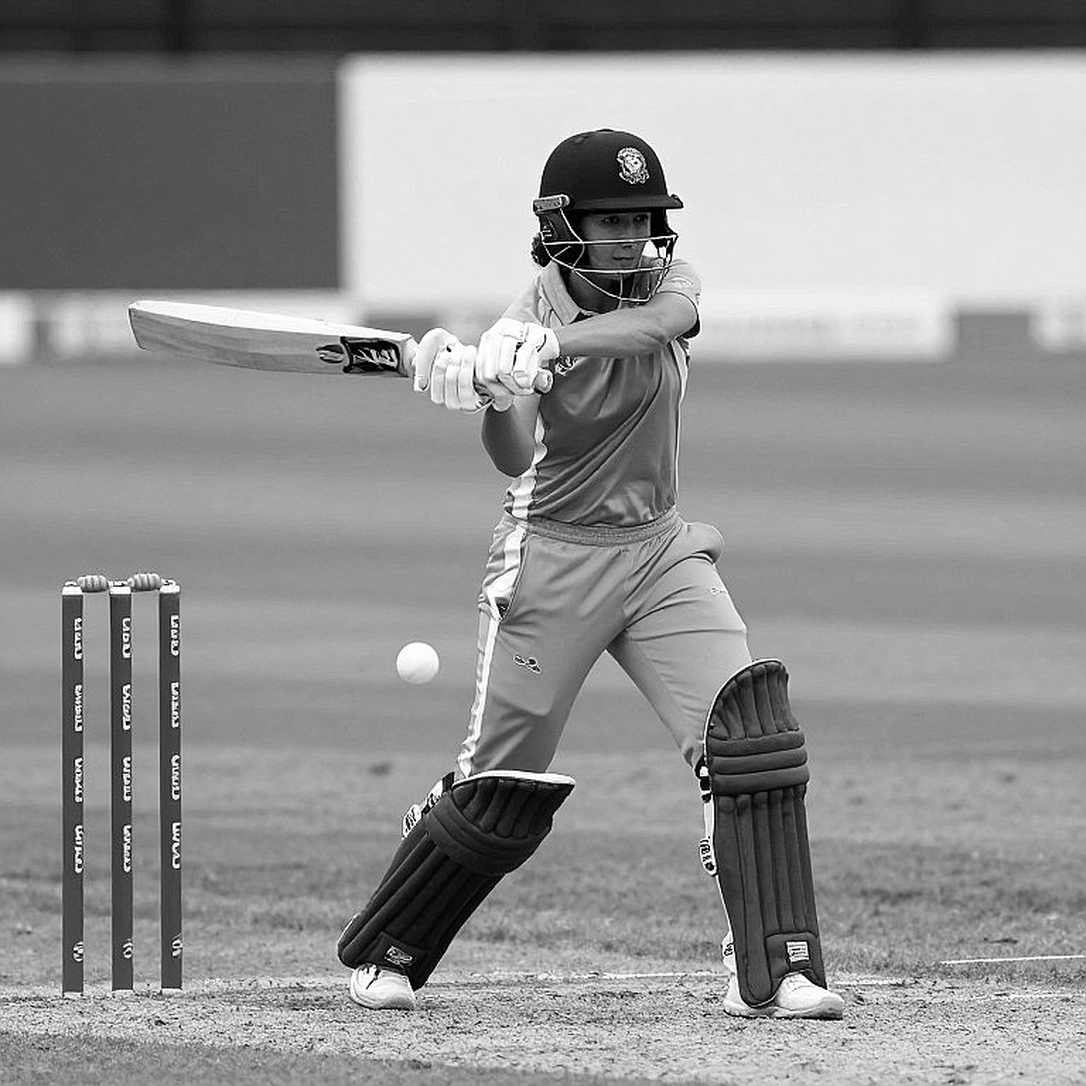
Winning a first-class match requires a sequence of phases: pressure with the new ball, breaking partnerships in the middle periods, removing the lower order quickly, establishing a first-innings lead and calculating time and target on the final day. Delhi may perform well in one phase, but the full sequence has not consistently worked in its favour.
That is why Dahiya’s session-control argument matters. In a T20 match, one over can alter the contest. In first-class cricket, a session changes the structure of a match gradually. If a team allows the opposition to return after six hours of disciplined batting, much of the earlier work loses value. Delhi must spend its energy on protecting good passages as well as creating them.
My experience of watching first-class cricket suggests that the gap between teams often appears in the quality of average performance rather than in the best performance. Every side can produce a double-century or a five-wicket haul on the right day. The difference is made when a catch is held in the third session, when a number-eight batter absorbs 40 deliveries and when a captain breaks an expanding partnership ten overs earlier.
Will Dahiya’s method produce results?
Publicly raising the standard is a risky coaching decision. It tells players that selection, resources and reputation do not guarantee performance. Yet if criticism remains a statement and is not followed by changes in training, selection or strategy, its effect will be limited.
Delhi must provide three signals in its remaining matches. First, does the fielding improve at decisive moments? Second, does the team make more timely decisions to turn first-innings advantages into victories? Third, do the leading batters, including Badoni, convert good starts into long, match-defining scores?
The answers will not come from the table alone. Delhi are seven points behind and the group situation can change. Badoni’s total of 559 runs is also temporary; other players may overtake him, and Badoni may change his own position. The current standings and run rankings should therefore be treated as a snapshot of this stage of the campaign, not a final verdict.
Dahiya’s most difficult task will be to demand accountability while giving players enough security to learn from mistakes. Badoni must ensure that the criticism becomes a matter of innings structure rather than a personal conflict. Delhi’s objective is not merely to win the next match, but to build a process that remains reliable when a close match reaches its most demanding passages.
The race ahead
Delhi’s winless position has made almost every remaining match consequential. Seven points, fifth place in Group C and a clear gap to the leading teams leave little room for error. Dahiya’s comments nevertheless offer a usable direction: Delhi must assess its problems through session control, catching, preparation and decision-making rather than through the language of luck or one bad day.
Badoni will be the clearest test of that change. His 559 runs and two double-centuries establish his ability; staying long enough to close out matches will test the next level of that ability. When Delhi next reach a strong position, the question will not be whether the team has talent. It will be whether it can maintain its pace after the bell lap, when the noise fades, the body tires and the match is won through discipline.